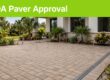
Pool Decks & Patio Pavers
Water turns a beautiful backyard surface into a safety decision. Your deck needs to handle bare feet, splashes, sun, and daily traffic without becoming a maintenance headache.
Well-planned Pool Decks & Patio Pavers give you a safer surface and a more inviting place to gather. At West Coast Pavers, Inc., we help homeowners connect their pool, seating area, and landscaping into one practical outdoor space.
The right choices begin with how you use the yard, not a sample board alone.
Key Takeaways
- Choose textured pavers that provide traction near water.
- Match paver color to sun exposure and your home’s exterior.
- Plan drainage before installation, especially around the pool edge.
- Use borders and patterns to define seating, dining, and walkways.
- Maintain joints and clean spills early to protect the finished surface.
Pool Decks & Patio Pavers That Fit Your Backyard
A pool deck and patio should feel connected, yet each area can have its own purpose. For example, a wider patio near the grill gives guests room to move. A quieter corner can hold lounge chairs or a fire feature.
We often recommend mapping furniture placement before selecting a pattern. That simple step prevents narrow pathways and awkward empty areas later.
Prioritize traction around the water
Smooth materials can look sharp, but wet feet change the equation. Choose pavers with a textured finish and comfortable edges, especially near steps and tanning ledges.
Concrete pavers have individual joints, which can support drainage when installers build the proper base. Belgard also outlines the safety and drainage benefits of pool deck pavers, including their naturally slip-resistant surface texture.
A deck can look level while still directing water away from the pool and your home’s foundation.
 Choose a material that matches daily use
 Choose a material that matches daily use
Concrete, brick, porcelain, and natural stone all offer different looks and upkeep needs. Concrete pavers give homeowners a wide range of colors, shapes, and replacement options. Brick brings classic character, while porcelain can create a cleaner, modern finish.
Material matters, but installation matters just as much. A weak base can shift, settle, or hold water under any surface. For a closer look at stone, brick, and concrete options, compare these pool deck paver material benefits.
Design Details That Make a Patio Feel Intentional
Color and pattern should support your home’s exterior rather than compete with it. Soft gray, sand, and tan pavers work well with many Florida homes. Meanwhile, a darker border can frame the pool and make the deck’s shape easier to see.
At West Coast Pavers, Inc., we use borders to separate traffic areas without adding walls or clutter. You can also repeat one accent color around planters, steps, or an outdoor kitchen.
Plan for heat, shade, and drainage
Light-colored surfaces usually feel more comfortable in direct sun than dark pavers. However, even a light deck can get hot during a Florida afternoon. Shade sails, umbrellas, and planting beds give you places to cool off.
Drainage needs attention before crews set the first paver. A properly graded deck moves rainwater away from structures and avoids low spots where water collects. Pool-area surface choices should also consider wet traction, as this guide to non-slip pool surfaces explains.
Use patterns to guide movement
A running-bond pattern suits long walkways and narrower patios. Herringbone patterns create more visual motion and work well in busy areas. Large-format pavers can make a compact patio feel calmer, especially with fewer visible joints.
For inspiration, browse this pool deck and patio gallery before finalizing colors and borders. Seeing completed layouts makes scale easier to judge.
Installation and Care Protect Your Investment
A durable deck starts below the surface. Crews need to excavate to the correct depth, compact the base, set proper edge restraints, and check slope throughout the project.
Don’t skip the base and edge restraints
Pavers work as a system. The compacted base carries weight, bedding sand supports the pavers, and edge restraints hold the layout together. When one part fails, joints can open and pavers may move.
Our custom pool decks and patios account for drainage, access points, and how each family uses the space. Good planning avoids expensive fixes after the pool furniture arrives.
Keep maintenance simple and consistent
Sweep leaves and grit away before they stain or settle into joints. Rinse sunscreen, food spills, and pool chemicals promptly. If joint sand wears down, replenish it before pavers start shifting.
You should also inspect the deck after heavy rain. Early attention to a low spot or loose edge keeps a small repair from spreading.
Frequently Asked Questions
Are pavers safe around a swimming pool?
Textured pavers can provide dependable traction when wet. You should still keep the area clear of algae, leaves, and standing water because no surface removes every slip risk.
Can patio pavers handle saltwater pools?
Many concrete and porcelain pavers work well around saltwater pools. Ask your installer about the specific paver, joint sand, and sealer before choosing materials.
How long does a paver pool deck installation take?
Timing depends on deck size, demolition needs, weather, and site access. Smaller patios may take several days, while larger pool areas require more preparation.
Can damaged pool pavers be repaired?
Yes, individual pavers can often be lifted and replaced. That repair option is one reason homeowners prefer paver systems over a single poured slab.
A Backyard Surface Built for Real Life
The best pool deck feels good underfoot, drains properly, and gives everyone room to relax. Pool Decks & Patio Pavers work best when material, layout, and installation support each other.
A thoughtful design gives your backyard a finished look that still holds up to ordinary family life.
Call (239) 590-9834 or click West Coast Pavers.
.