A lifted patio paver reveals ants and sand tunnels.

Ants Under Pavers: Why They Nest and How to Stop Them

Ants under pavers find shelter, warmth, and loose sand that they can excavate into nesting chambers. Removing them usually requires treatment first, followed by attention to damaged joints or shifting pavement. Small sand piles don’t automatically mean your patio needs rebuilding. However, recurring holes, rocking stones, and low spots deserve closer attention because water or…

White sealer haze and peeling on patio pavers beside clean stone.

Paver Sealer Haze: Why It Turns White or Peels

A white paver sealer haze can result from poor drying, application problems, or lost adhesion. White mineral deposits and polymeric sand residue can look similar, so identify the cause before treating the surface. We recommend stopping any planned recoating until the problem is clear. Another layer won’t repair a failing finish and can complicate restoration.…

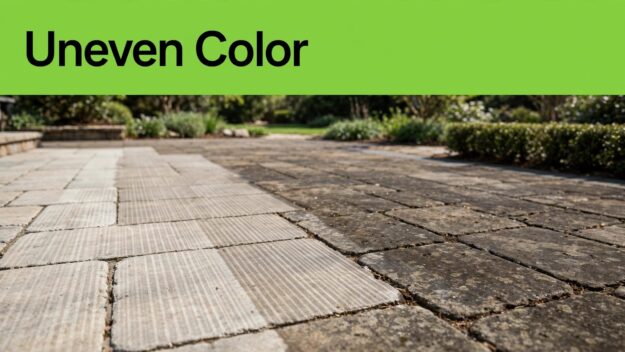
Dry patio pavers show subtle stripes beneath a lime-green “Uneven Color” banner.

Uneven Paver Color After Pressure Cleaning: Causes

Pressure cleaning can leave outdoor pavers looking uneven because different areas receive different cleaning intensity, retain moisture, or reveal natural color differences. Aggressive washing can also mark the surface, so patchiness alone doesn’t identify the cause. We recommend letting the paving dry completely before deciding whether it needs more cleaning or restoration. Another pressure-washing pass…

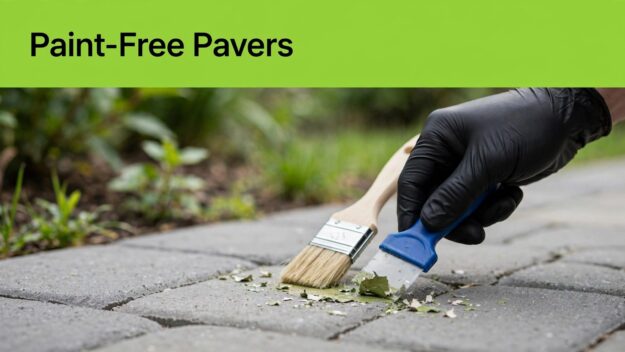
A gloved hand scrapes dried paint from a concrete paver beneath a green banner.

How to Remove Paint From Pavers Without Damage

To remove paint from pavers, blot fresh splatter, lift loose dried coating, and treat any residue with a remover suited to the surface. Start gently because strong solvents, abrasive brushes, and excessive pressure can damage the paving or its sealer. We recommend a test-first approach, especially on colored concrete, natural stone, and sealed patios. Identify…

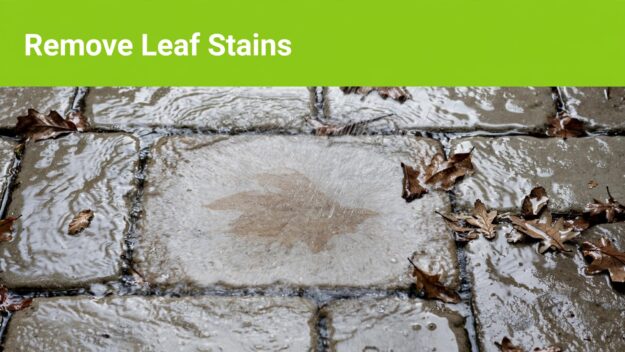
leaf stains on pavers

How to Remove Leaf Stains on Pavers Safely

Leaf stains on pavers often respond to gentle washing followed by a compatible organic-stain cleaner. We recommend starting with the mildest suitable treatment, then inspecting the dry surface before using anything stronger. Wet leaves can leave brown marks below the surface, so harder scrubbing isn’t always the answer. The right method depends on your paver…

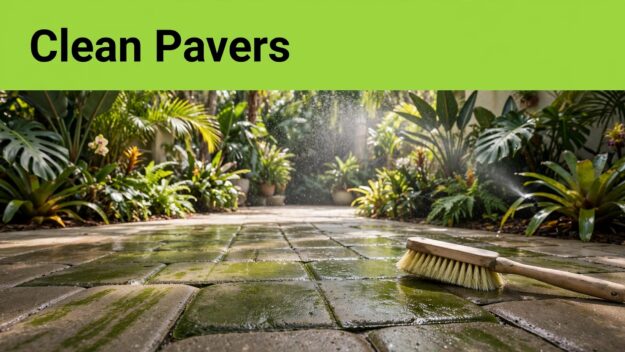
Green algae covers shaded patio stones beside a cleaning brush, with tropical plants in the background.

How to remove algae on pavers in Florida

Green growth can make your patio, walkway, or driveway slippery before it looks heavily stained. In Southwest Florida, humidity, shade, frequent rain, and irrigation overspray can keep pavers damp and encourage regrowth. We recommend gentle cleaning first, followed by an inspection of the joints and drainage. A garden hose, suitable brush, and compatible cleaner can…

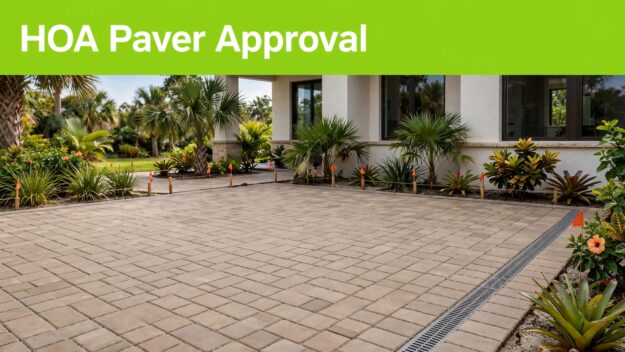
HOA paver approval

HOA Paver Approval Checklist for Southwest Florida

A paver project can be delayed before work begins if your HOA application leaves important questions unanswered. HOA paver approval is easier to manage when the proposal clearly identifies the materials, intended use, property boundaries, and drainage plan. We’ve served Southwest Florida since 1999, and we recommend confirming written approval before ordering materials or scheduling…

Pool Decks & Patio Pavers

Pool Decks & Patio Pavers Water turns a beautiful backyard surface into a safety decision. Your deck needs to handle bare feet, splashes, sun, and daily traffic without becoming a maintenance headache. Well-planned Pool Decks & Patio Pavers give you a safer surface and a more inviting place to gather. At West Coast Pavers, Inc.,…