Cape Coral Brick Pavers for Lasting Outdoor Spaces

DRIVEWAY’S | PATIO DECKS | WALKWAYS | RETAINING WALLS

Brick pavers can improve driveways, walkways, patios, pool decks, and other outdoor areas for Cape Coral homeowners and business owners. The right surface adds curb appeal, improves access, and gives your property a finished appearance.

Cape Coral Brick Pavers need professional planning because Southwest Florida heat, heavy rain, moisture, drainage, and soil conditions can affect the work below the surface. Our professional brick paver installation services cover material selection, project planning, installation, repair, and maintenance for properties across the area.

A good paver project starts with a clear plan for the property, the intended use, and the conditions already on site.
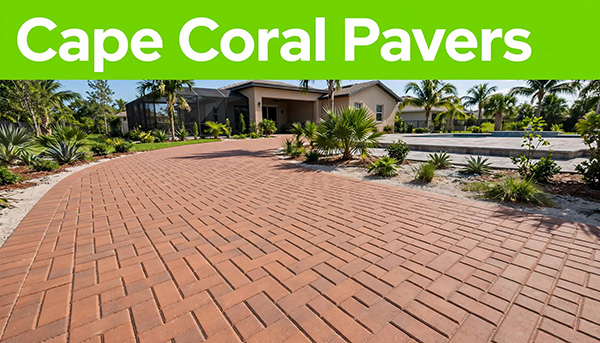
Cape Coral Brick Pavers

Brick Pavers for Driveways, Walkways, Patio, and Pool Decks

Each outdoor surface has different needs. A driveway must handle regular vehicle traffic. A front walkway should provide safe access and complement the home. Patios and lanais often need a layout that works with furniture, landscaping, and outdoor living areas.

We install pavers for driveways, walkways, entryways, patios, pool decks, coping, steps, outdoor kitchens, and fire features. We also work on commercial sidewalks, parking areas, entrances, and other high-traffic paved spaces. Our brick paver driveway services are planned around the use of the surface, the layout of the property, and the preparation needed underneath.

Pool decks need careful attention to drainage, texture, transitions, and access around the water. Our pool deck and patio pavers can help create a clean, functional surface around a pool, patio, or lanai.

Material Choices That Fit Florida Outdoor Spaces

Standard concrete and brick pavers are practical choices for many driveways, walkways, and patios. Premium options include tumbled pavers, Chicago brick, precast stone, natural stone, travertine, marble, and tumbled marble.

Material selection should match the space. Color and texture affect the overall appearance. Heat exposure matters for open patios and pool decks. Pool use, traffic levels, cleaning needs, and budget should also be discussed before a final selection is made.

Permeable pavers may be considered where water management is part of the project plan. They are not a replacement for proper grading or a complete drainage solution. We review the site conditions first, then recommend options that fit the property and the planned use.

Repair, Cleaning, Sealing, and Paver Restoration

Older paver surfaces do not always need complete replacement. Individual pavers can often be lifted, repaired, and reset when a small area has shifted or settled. This can help preserve the existing pattern while correcting the underlying issue.

Repair work may include pressure washing, algae or stain removal, joint-sand replacement, sealing, re-leveling, drainage correction, or replacement of damaged pieces. Our paver repair and restoration services are useful when a surface has lost its even grade or needs a cleaner appearance.

Inspect paved areas after heavy rain. Pooling water, open joints, settling, and shifting pavers are signs that the surface should be reviewed before the issue grows.

How Professional Installation Handles Soil and Rain

A paver project may look simple after completion, but the base below the surface carries much of the work. Our process begins with site measurements and a discussion of the design, materials, traffic, drainage, and access.

The work usually includes excavation, grading, drainage planning, base material installation, compaction, edge restraints, paver placement, joint sand, and cleanup. Sealing may be added when it is appropriate for the selected material and the property owner’s maintenance plan.

Sandy soil, previous fill, limestone, standing water, and limited equipment access can change the preparation plan. Before changing a driveway, pool deck, retaining wall, or exterior appearance, check current local permit requirements and HOA rules. HOA approval may not replace permit requirements, as shown in Cape Royal’s published architectural policy.

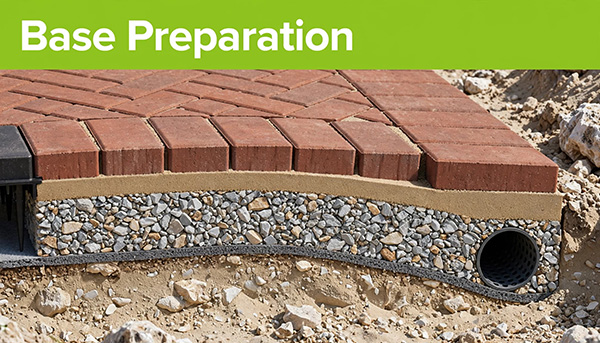
base preparation

Why Base Preparation and Drainage Protect Long-Term Results

Poor preparation can lead to sinking, shifting, puddles, uneven surfaces, and open joints. These problems are often connected to weak compaction, an inadequate base, drainage concerns, or changes in the soil beneath the pavers.

Proper grading should direct water away from buildings and toward an appropriate drainage path. Compaction helps the base support everyday use, whether the area is a quiet garden walkway or a vehicle driveway.

The visible pavers matter, but the excavation, base, compaction, and slope often determine how the surface performs over time.

Pavers can be part of a drainage plan, but they cannot correct every water issue on a property. Larger drainage concerns may require separate work beyond the paved area.

What to Expect During the Installation Timeline

Project timing depends on the size and condition of the site. Based on our general project guidance, a walkway may take about one to two days. Patios often take two to four days, while driveways may take three to five days.

Pool decks can take about three to seven days, depending on the layout and preparation required. Demolition, rain, drainage work, design details, material availability, and limited access can extend the schedule.

A professional estimate should identify the expected project scope before work begins. It should also explain what may affect the timeline, especially when existing concrete, unstable areas, or drainage issues are found.

Choosing Reliable Brick Paver Services

Choosing a contractor should involve more than comparing a final price. Review local experience, available materials, project photos, communication, and the details behind the installation plan.

West Coast Pavers has served Southwest Florida since 1999. We work with homeowners, commercial property owners, designers, contractors, and property managers who need dependable paving work for outdoor spaces.

When comparing companies, look for complete estimates that address these points:

  • The scope should explain excavation, base preparation, compaction, edge restraints, joint sand, and cleanup.
  • Material samples should match the selected color, texture, and expected use of the paved area.
  • Written warranty details, payment terms, project timing, and exclusions should be easy to understand.
  • References and completed-project photos can show the contractor’s experience with similar work.

A lower bid may leave out hauling, drainage work, demolition, delivery, or other needed preparation. Compare the full scope before making a decision.

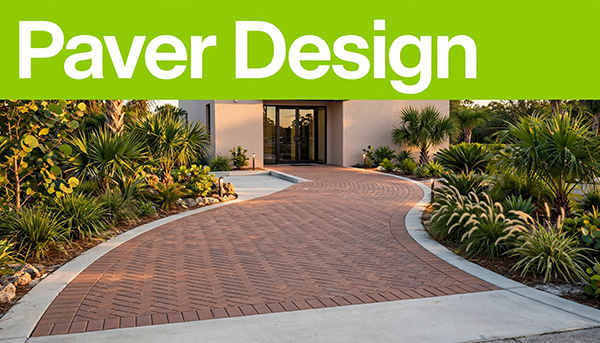
Brick Paver Design

Questions to Ask Before Accepting an Estimate

  • Ask who handles excavation and compaction. Confirm what base preparation is planned and how water will drain from the surface. You should also ask which edge restraints and joint sand will be used.
  • Request measurements, material specifications, payment terms, and a clear project schedule. Ask whether demolition, hauling, disposal, and cleanup are included. If site conditions change, find out how added work will be approved and priced.

These questions help avoid misunderstandings. They also give you a clearer view of what the contractor is proposing for your property.

Frequently Asked Questions

Sometimes, but the existing concrete must be evaluated first. Cracks, drainage issues, elevation concerns, and transitions at doors or garage entries can affect whether this approach is suitable. Removal and proper base preparation may be the better choice for some properties.

Sealing is optional in many cases and should be selected based on the material, location, appearance goals, and maintenance plan. A professional can review the condition of the pavers and explain whether sealing is appropriate for your project.

Weeds often appear when debris and organic material collect in the joints. Remove the growth, clean the area carefully, and check whether the joint sand needs replacement. Repeated weed growth may also indicate that the surface needs a closer inspection.

Yes, but the layout should be planned around trees, irrigation, planting beds, and access points. Some roots, elevation changes, and drainage paths may require design adjustments. Discuss these details during the site review.

Pavers can work well for commercial sidewalks, entrances, parking areas, courtyards, and high-traffic spaces when the preparation matches the expected use. Commercial projects need a clear plan for traffic, access, drainage, and maintenance.

The right material, a properly prepared base, thoughtful drainage, skilled installation, and regular maintenance all support a durable outdoor surface. A detailed site review helps identify the preparation and design choices that fit your driveway, patio, pool deck, walkway, or commercial space.

Homeowners and business owners can request an estimate that clearly lists the full scope of work, selected materials, preparation, and project expectations. Contact West Coast Pavers for design guidance and professional installation in Cape Coral and nearby Southwest Florida communities.

CALL (239) 590‑9834 FOR YOUR FREE QUOTE TODAY!

If you’re ready to upgrade your home with a beautiful new brick paver driveway, patio, pool deck, or walkway, West Coast Pavers is here to help. Our team will guide you through material selection, design options, and installation details to ensure your project is completed with excellence.

Experience the craftsmanship, reliability, and personal service that Bonita Springs homeowners have trusted since 1999.